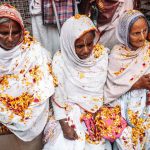

Reports suggest that by 2050, every fifth Indian will be a senior citizen, aged 60 or above. Today, one in nine Indians belongs to this age group, and by 2035, the figure is expected to rise to one in seven. These numbers are not just statistics—they are a reminder that India must prepare for a demographic transformation.
The real question is: Are we prepared to meet the needs and aspirations of this rapidly growing elderly population? More importantly, should we expect the government alone to shoulder this enormous responsibility, or must society also become an active partner?
As ordinary citizens, we can endlessly debate what governments should or should not do. But discussions alone will not improve the lives of senior citizens. A more constructive approach is to prepare practical suggestions and submit them to our elected representatives—our MLAs and MPs—who can raise these issues at the appropriate forums.
At the same time, we should focus on what each of us can do as responsible members of society.
Across many urban housing societies and Resident Welfare Associations (RWAs), exclusive groups of senior citizens have become common. Every morning, parks come alive with elderly men and women walking together, practising yoga, exercising, laughing, and sharing experiences. These informal groups do much more than promote fitness. They provide companionship, emotional support, guidance, and a sense of belonging—something many seniors desperately need in their second innings.
I would like to share an inspiring example from Ranchi. About four years ago, the Maheshwari community started a forum for people aged 60 and above, aptly named Choupal. Monthly meetings, meaningful activities, and a spirit of mutual support have made it immensely successful. The initiative has inspired similar Choupals in several other cities. This proves that communities themselves can create powerful support systems without waiting for government intervention.
The Government of India, particularly through the Ministry of Social Justice and Empowerment, has introduced several welfare schemes and programmes for senior citizens. These efforts deserve appreciation. Instead of merely criticising what has not been done, citizens and voluntary organisations should offer practical, workable suggestions and actively partner in implementing solutions. Constructive cooperation is always more productive than endless criticism.
The situation becomes far more difficult for elderly people who have no family support. Recently, I came across a social media post by a philanthropist who was helping an elderly woman in Ladakh, apparently in her eighties, with no one to care for her. Such stories remind us that behind every statistic is a human life that deserves dignity and compassion.
Another issue that often goes unnoticed is the financial insecurity of self-employed senior citizens. At a gathering of retired small business owners, one gentleman remarked, “Government employees receive pensions, but once we stop running our small businesses, we are left on our own.” His observation deserves serious consideration. Perhaps policymakers can explore some form of financial support or social security for self-employed citizens who have honestly contributed to the nation’s economy throughout their working lives.
One area that urgently requires attention is the growing need for quality old-age homes and assisted living facilities. With changing family structures, migration, and increasing life expectancy, these institutions are no longer a luxury but a necessity. The government can encourage greater private and charitable participation through incentives, tax benefits, easier regulations, and public-private partnerships.
Healthcare for senior citizens has certainly improved over the years through various schemes and initiatives. Yet, much remains to be done, particularly at the grassroots level. Home-based care, affordable geriatric services, mental health support, physiotherapy, and emergency assistance remain inaccessible for many elderly people, especially those living alone. Several voluntary organisations have stepped in to bridge this gap, but the challenge is so vast that far greater collective efforts are required.
India’s senior citizens are not merely beneficiaries of welfare programmes—they are a priceless national resource. They carry decades of experience, wisdom, and values that can enrich society if we create opportunities for them to remain active, engaged, and respected.
The future of elderly care cannot rest on the shoulders of the government alone. It demands a partnership between governments, communities, voluntary organisations, families, and every responsible citizen. When all stakeholders work together, we can ensure that our senior citizens live not only longer lives but happier, healthier, and more purposeful ones.
The measure of a civilised society is not how it treats its strongest members, but how it respects and empowers its senior citizens.
Author
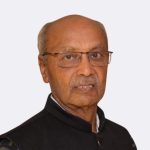
The author is the founder of the Never Say Retire mission. In order to achieve this goal, he also runs this website and his Facebook group Never Say Retire Forum has Hundreds and Thousands of members today.