
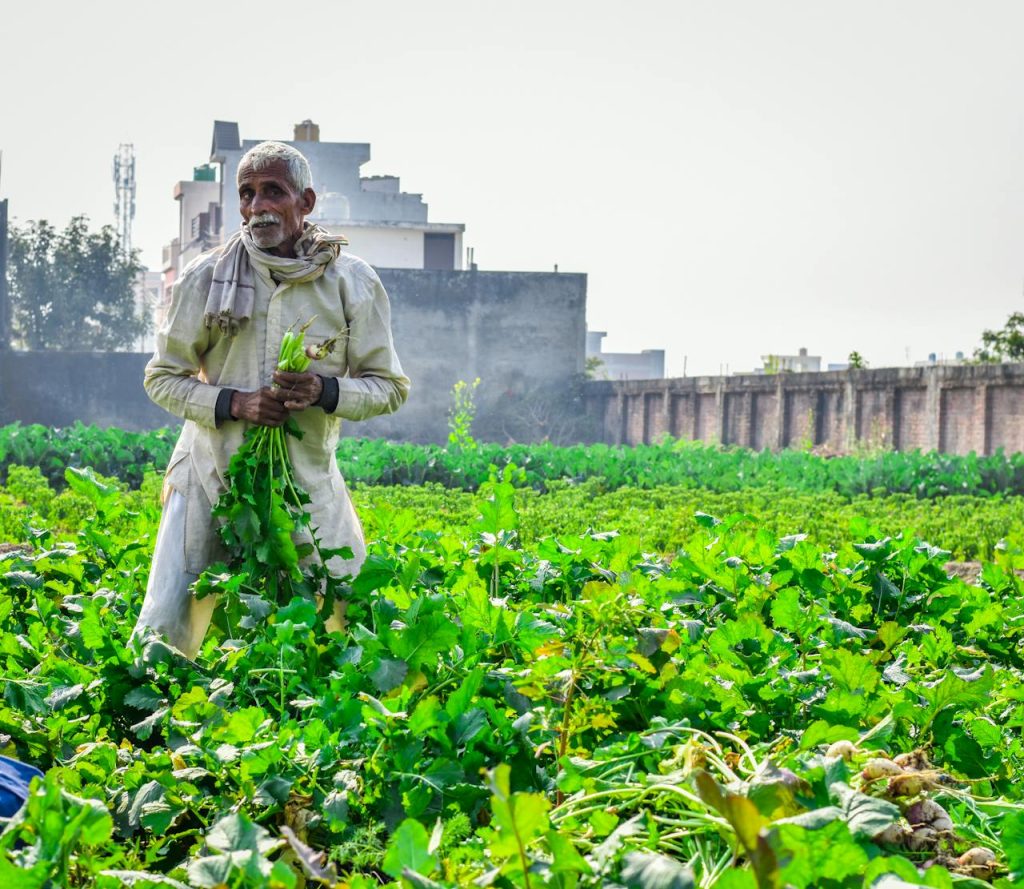
On one hand, we feel happy that our average lifespan is increasing. On the other hand, it is rare to find a family where no one is unwell. In almost every household, at least one member—especially a senior citizen—frequently needs to visit a doctor or hospital. Expensive medicines, doctors’ fees, and hospitalization costs, even with medical insurance, place a heavy burden on household budgets.
In 1947, when India gained independence, the average life expectancy of Indians was only 32 years. Today’s youth may find it hard to believe. However, according to available data from 2020, this has increased to 67.2 years. The question is—while our lifespan is increasing, how much attention are we giving to keeping these added years healthy? This is what is referred to as “healthy ageing.”
A study conducted jointly by the Government of India and the WHO Country Office for India on people aged 60 years and above revealed that conditions such as high blood pressure, diabetes, heart disease, anemia, arthritis, falls and fractures, gastrointestinal issues, asthma, and others are quite common among the elderly. Recognizing the need for accessible healthcare for senior citizens, the Government of India has initiated several programs, including the National Programme for Health Care of the Elderly (NPHCE) and integrated initiatives like Ayushman Bharat. These programs aim to provide healthcare services to senior citizens (aged 60 and above) across primary, secondary, and tertiary levels, and to further increase life expectancy.
Recently, under the chairmanship of Prime Minister Shri Narendra Modi, the Union Cabinet approved health coverage for all senior citizens aged 70 years and above under the Ayushman Bharat Pradhan Mantri Jan Arogya Yojana (AB PM-JAY), irrespective of income. The scheme aims to benefit approximately 4.5 crore families, covering around 6 crore senior citizens, by providing free health insurance coverage of up to ₹5 lakh per family annually. With this approval, all senior citizens aged 70 and above, regardless of their socio-economic status, will be eligible for the scheme. They will be issued a unique AB PM-JAY card. Those already covered under the scheme will receive an additional top-up cover of ₹5 lakh per year, while others will receive coverage of up to ₹5 lakh per family annually.
While such schemes will certainly provide significant benefits, our primary goal should be to minimize illness itself. There are many reasons why diseases are so prevalent in households today. Considering our current lifestyle, we can identify some key factors.
Our lifestyle has undergone significant changes. Many people now spend long hours sitting—either throughout the day or even at night. Some have extensive travel requirements, while others spend hours commuting, often exposed to pollution, which adversely affects health. For those who remain constantly busy in such conditions, it is only natural that health issues may arise as they age.
Our food habits also play a major role. The excessive use of chemical fertilizers to increase agricultural yield, adulteration in essential items like milk, paneer, ghee, oil, and pulses, and contamination of water due to urban waste and industrial discharge—all contribute to declining health. The water we use is often not fit for consumption without chemical treatment. Many of our senior companions may recall a time when one could drink water directly from riverbeds. Today, even medicines prescribed for treatment often come with significant side effects.
According to WHO data, India’s population aged 70 and above was around 6 crore in 2023 and is expected to rise to 16.79 crore by 2050. Among them, the population aged 80 and above is projected to increase from about 1.5 crore in 2023 to nearly 5.59 crore by 2050.
While life expectancy in India is undoubtedly increasing, how we remain healthy, happy, and free from disease in these added years depends largely on our lifestyle and dietary habits.
Regular yoga, exercise, and walking in fresh air should be part of daily life. Consuming food grown without chemicals, eating fresh fruits and vegetables, and maintaining a balanced diet can support physical health. At the same time, we must also take care of our mental well-being—stay cheerful, avoid unnecessary anger, cultivate positive thoughts, maintain good relationships, and enjoy light-hearted moments with friends.
Age is increasing with every passing moment—it is our responsibility to ensure that it remains healthy.
Author

The author is the founder of the Never Say Retire mission. In order to achieve this goal, he also runs this website and his Facebook group Never Say Retire Forum has Hundreds and Thousands of members today.