As soon as Dussehra passed, the excitement of Diwali would begin to ripple through our hearts. In today’s festive atmosphere, memories of childhood return to us effortlessly.
Every member of the family, young and old, would get involved in cleaning the house. In those days, very few households had domestic help. No one hesitated to take part in cleaning or painting their own home. Sometimes, if a neighbor needed help, we would readily step in. One is reminded of Gulzar Sahab’s beautiful lines:
Weeks in advance, we begin the cleaning,
Mix a little blue into the lime wash,
Move the cupboards and rediscover lost things,
Sell old attic clutter and earn a little money,
Let us celebrate Diwali at home this time…
The elder women of the family would start preparing sweets and delicacies days in advance. The taste of these homemade treats was truly special. We would long to eat them immediately, yet we knew that their true enjoyment would come only after Lakshmi Puja.
During Diwali, there was a constant flow of visitors at home. Today, we exchange gifts; back then, we shared homemade sweets. Young people today might be surprised to know that there were only a few varieties of sweets, yet we relished them for days. Today, sweet shops advertise a wide range of specialties across all media, and the crowds at these shops clearly show that very few households now prepare sweets at home.
New clothes were also bought during Diwali, which was another reason for eagerly awaiting the festival. Ready-made garments and online shopping did not exist then. Fabric for the entire family, often of the same design, would be purchased and stitched. Unlike today, where different outfits are chosen for every occasion, there were only three categories—home wear, school wear, and clothes for special occasions. In joint families, sharing clothes among siblings and relatives was quite common.
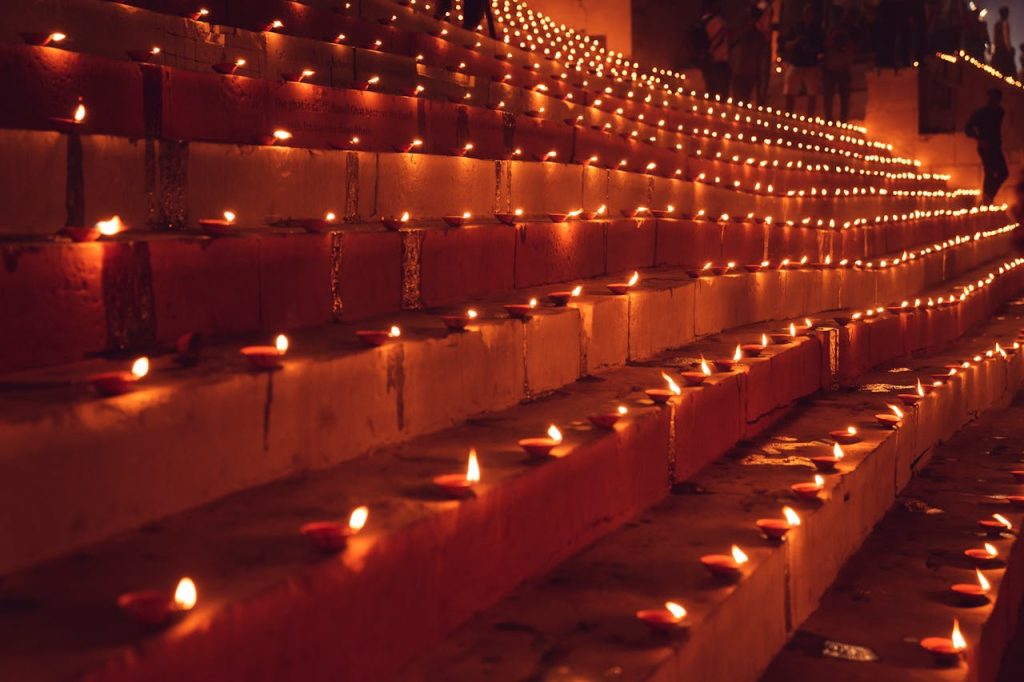
Banana trees and earthen lamps decorated the entrances of homes and shops. There was even friendly competition among us to fill oil in the lamps. I especially remember a unique sight in Ranchi. In those days, there were only eight to ten shops selling electrical items. On Diwali, each shop would beautifully decorate the space outside, competing to outdo one another. On the nights of Chhoti Diwali and Diwali, thousands of people, even from nearby villages, would come to witness this spectacle.
Those of us from that era would recall how, for two to three days after Diwali, we visited the homes of relatives and friends. We would touch the feet of elders to seek their blessings, while the younger ones would receive blessings from us. Every home offered homemade sweets, and sometimes dry fruits as well. The most beautiful aspect was that everyone visited each other’s homes, regardless of whether you had already been to theirs. What a wonderful tradition it was—one that is now fading. Today, children often prefer to stay within their circle of friends and hesitate to meet others.
In this spirit, a very positive initiative has recently been started in Ranchi by the Maheshwari community under the banner of “Chaupal.” They are trying to revive this tradition, and surely they will succeed. The community has requested its senior members to visit at least two or three families on the day after Diwali. It is heartening that, at the time of writing, most members have already agreed. We should all strive to bring back this tradition. Such interactions help strengthen relationships and reduce misunderstandings.
While the way we celebrate Diwali may have changed, it remains the responsibility of society to pass on the right values to the coming generations.
Author

The author is the founder of the Never Say Retire mission. In order to achieve this goal, he also runs this website and his Facebook group Never Say Retire Forum has Hundreds and Thousands of members today.