
There is a radio channel called Vividh Bharati, which is very popular among elderly listeners. It mostly plays old songs, and listening to them brings back memories of those days. If one has seen the film, the scenes come alive again in the mind. Sometimes, when children are listening along, they are amazed—were songs really filmed like this? So much emotion in the lyrics and such sweetness in the music. Even today, when young people play games like antakshari, many old songs are still included.
On WhatsApp, many messages circulate that remind us of the golden days of childhood. One such message showed a program organized for elderly people, where they were made to play games that were popular in their childhood—games like gilli-danda, marbles, pithoo, or hopping games drawn with chalk on the ground. Everyone participated with great enthusiasm. The most delightful sight was of elderly people rolling a bicycle rim with a stick while running alongside it. It reminded us of how passionately we used to play these games—without worrying about dust or dirt, without even feeling hunger. The most remarkable thing about these games was that they required no money, yet gave us immense joy. Times have changed—many new games came and went, and now change is so rapid that even modern games have disappeared. All of them have been replaced by the mobile phone. Whether sleeping or waking, sitting or eating, people hardly let go of it. What the future holds—only God knows.
School days also come back vividly in memory—our friends, our teachers, our mischief, and the punishments that followed. Standing on the bench, raising hands for long periods, facing the wall, standing outside the classroom, squatting like a rooster, kneeling down, holding ears, cleaning the blackboard, standing with a finger on the lips, staying back after class, or writing the same line ten times—these were all quite normal. A slap on the cheek or a hit on the palm with a ruler was common, and for bigger mischief, even caning was not unusual. Yet, we would forget all punishments within the school itself and return home laughing. Today, however, even a single slap can create an uproar. We often read in newspapers about police cases being filed against teachers and schools.
Nowadays, it has become common to travel to tourist destinations during school vacations. But in our childhood, we would visit our maternal grandparents or relatives. Sometimes we would go to our ancestral village or on pilgrimages. Our journeys were mostly by train, and the joy of those trips was truly special. We carried all our food from home. In summer, earthen water pots (surahi) were often seen in trains, and even today, the memory of that cool, sweet water feels refreshing. Sharing food together during the journey had its own unique charm. Today, very few people enjoy home-cooked meals while traveling.
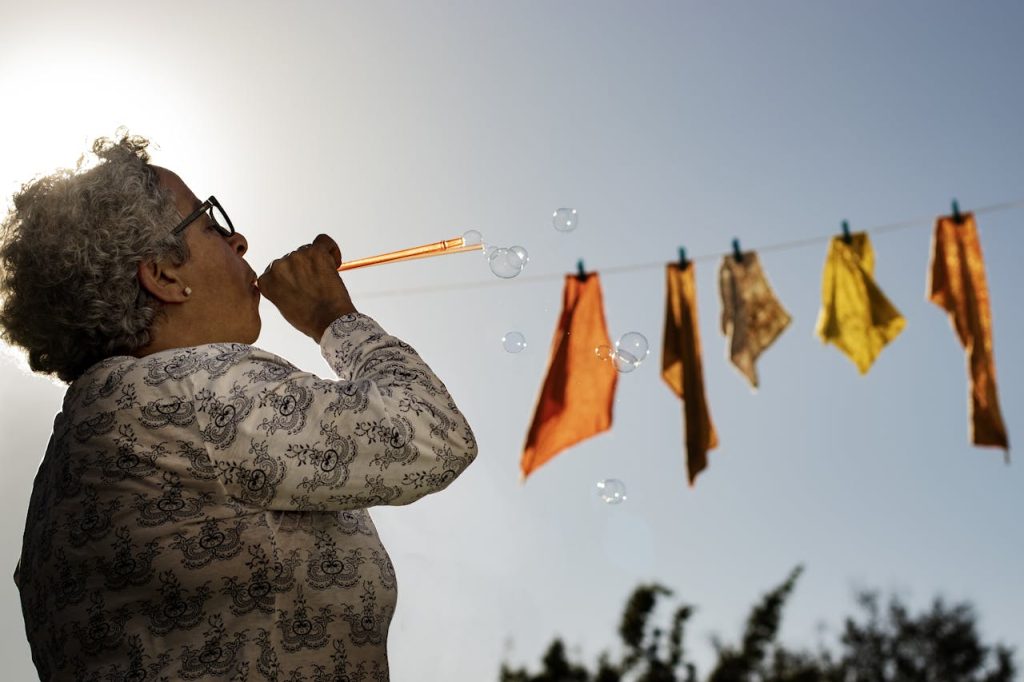
Childhood memories are an important part of our lives. They remind us of the beautiful moments of our early years. These are the memories that keep the child within us alive, and they shape our thinking and our future. As children, we always wished to grow up quickly so we could do all the things we were not allowed to do. But today, amidst life’s many challenges, we often feel—if only those childhood days could return.
Whenever the family gathers at home, we take great joy in sharing stories of our childhood with our children. The interesting part is that they too listen with great enthusiasm. No matter how busy we become, we can never forget our childhood memories. At times, even in solitude, recalling those memories brings a smile to our faces.
Author

The author is the founder of the Never Say Retire mission. In order to achieve this goal, he also runs this website and his Facebook group Never Say Retire Forum has Hundreds and Thousands of members today.